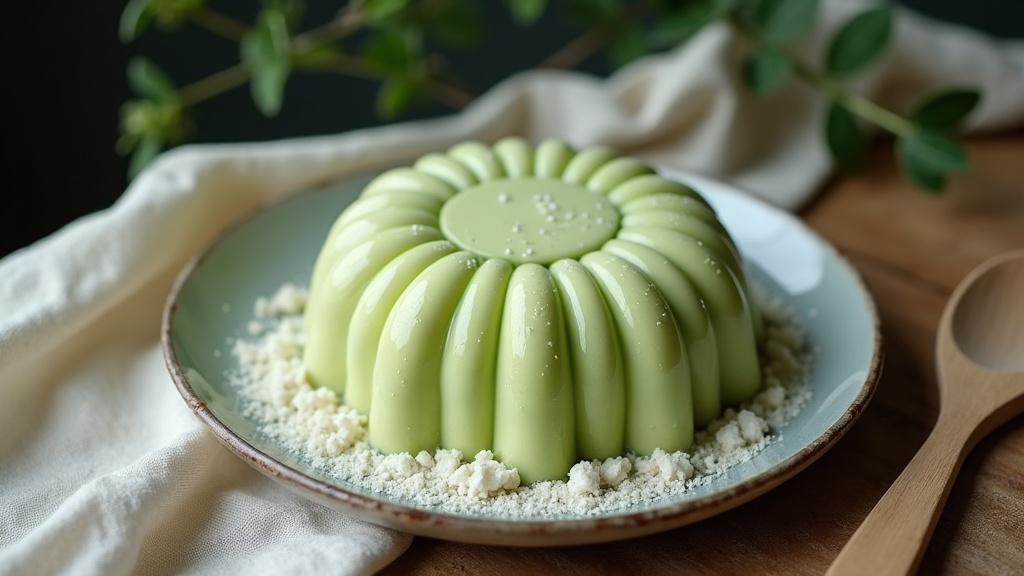
Before trying any baking soda e gelatin routine at home, here’s what this editorial report actually found — and what it does not promise.
nExpectation and reality often diverge quietly, one ordinary morning at a time. Before looking at any old-fashioned routine — including the baking soda e gelatin preparations some households still talk about — it helps to name what’s actually being experienced.
nMany men describe a slower start to the day than they remember a decade earlier — not dramatic, just noticeably different.
The same meals, the same walks, the same sleep schedule — yet the sense of balance doesn't always feel the same.
Waking mid-night or feeling less rested by morning is a common, rarely discussed shift.
Habits that once felt reliable — coffee, stretching, an early walk — can start to feel less predictable.
Kitchen folklore travels fast. Here’s a sober look at some common claims next to what’s actually documented.
nBaking soda e gelatin recipes were originally designed as health treatments.
nHistorically, both ingredients were common household staples used mainly for cooking, baking, and preserving — not marketed as remedies.
nIf a routine is ‘old-fashioned,’ it must be backed by tradition and evidence.
nTradition reflects habit and repetition across generations, not clinical evidence — the two are not the same thing.
nAny pantry ingredient is automatically safe in any amount.
nEven common kitchen staples have recommended uses and limits, which is why product labels and professional guidance matter.
nNo. This is an editorial overview of a historical kitchen practice, not medical advice or a treatment protocol.
nThis report does not make that claim. It focuses on the tradition and context behind the practice, not on outcomes.
nSome households continue to reference it as part of family routines passed down over time, which is part of what this report explores.
nPassed down mostly through observation rather than instruction, the preparation followed a simple, repeatable rhythm.
nHouseholds typically relied on approximate spoon measures rather than exact quantities.
nThe base was almost always warm water, used to help combine the ingredients evenly.
nThe routine was often repeated at a similar time each day, more out of habit than instruction.
nLong before modern kitchens, baking soda e gelatin were both common household staples — one used for baking and cleaning, the other for setting foods and stretching modest ingredients further. Neither was originally framed as a wellness product; both were simply part of a practical, no-waste kitchen.
nInsight: much of what circulates today as a ‘traditional remedy’ actually began as ordinary thrift — a way earlier households made do with what was already in the pantry.
nOngoing shifts in digestion that don't resolve on their own are worth mentioning to a healthcare professional.
Tiredness that lingers despite adequate sleep is a signal many men choose to have evaluated.
A sudden increase or decrease in appetite is often worth tracking over a few weeks.
Discomfort that changes in intensity or frequency deserves attention rather than assumption.
Noticeable changes in mood or motivation are frequently overlooked but worth acknowledging.
Gradual changes in skin texture or nail condition can be worth mentioning at a routine check-up.
Illustrative composite examples. Individual results vary. Not a guarantee.
nThis report focuses on providing that historical and editorial context in an accessible way.
nAny changes to diet or daily habits should be discussed with a qualified healthcare professional first.
nNo — preparations varied significantly by household, region, and generation, which is part of why it’s discussed as tradition rather than formula.
nNo specific product is recommended or endorsed here; this is an editorial and historical overview only.
nThis report is educational only. If you’re curious about the history and context behind baking soda e gelatin routines, the full breakdown continues here.
nAdvertising Disclosure: This page contains sponsored content and affiliate links. We may receive compensation if you click a link or make a purchase through links on this page. This does not increase the cost to you and helps support the publication of independent editorial content.
nContent Disclaimer: This content is for educational and informational purposes only. It has not been evaluated by the FDA. Nothing on this page is intended to diagnose, treat, cure, or prevent any disease or health condition. Always consult a qualified healthcare professional before making any changes to your diet, supplement routine, or lifestyle.
nResults Disclaimer: Individual results vary. Testimonials and examples shared on this page are illustrative and not a guarantee of any specific outcome, benefit, or result for any reader.
n© 2026 · All Rights Reserved · /contact/
n